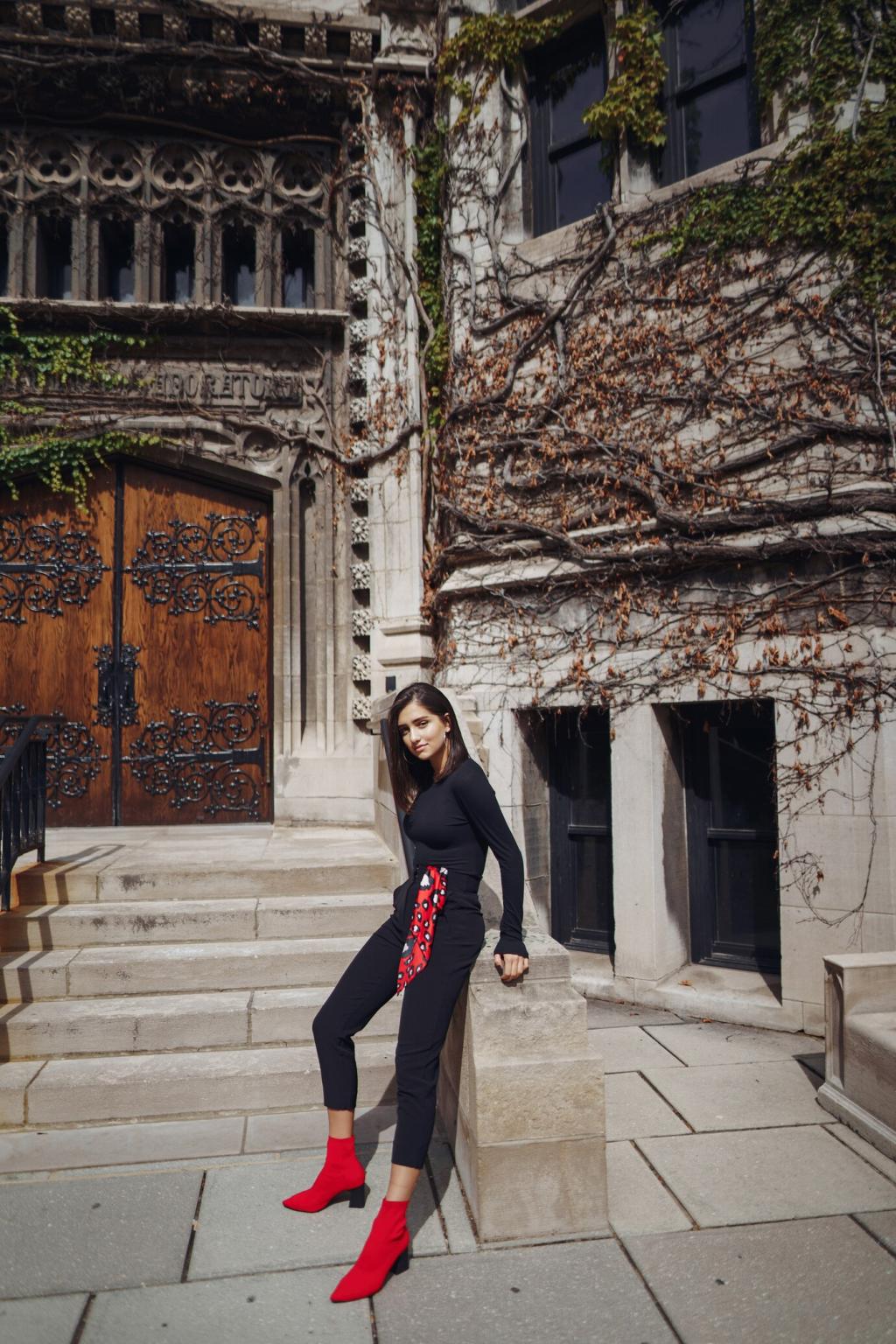
Street Photography Tips for Beginners: Start Seeing the City Differently
Chosen theme: Street Photography Tips for Beginners. Step onto the sidewalk with curiosity, kindness, and a ready shutter. This guide welcomes you into the living theater of the street—where light, gestures, and chance collide. Read on, share your thoughts in the comments, and subscribe for weekly practice prompts tailored to beginners.
Gear That Gets Out of the Way
01
The Light Camera Advantage
A small, light camera invites you to wander longer and shoot more naturally. I once swapped a heavy DSLR for a compact mirrorless and immediately felt braver approaching scenes. Your wrist and your confidence both last longer when the gear disappears.
02
Prime Lens Simplicity
A 35mm or 50mm prime trains your eye and reduces hesitation. Without zoom, you learn to step closer, aligning quickly with the rhythm of the street. Consistency builds intuition, and your images begin speaking the same visual language, shot after shot.
03
Quiet Shutters, Quicker Smiles
Silent or electronic shutters reduce attention and preserve candid authenticity. In a busy market, the absence of a click calmed a vendor who had tensed at a previous photographer’s loud camera. Quiet tools often earn quieter, more honest moments in return.
Composing on the Fly
Start by placing key elements on thirds to stabilize the frame. Once comfortable, push subjects to the edge or dead center for tension. I centered a pedestrian beneath a circular overpass, and symmetry turned the ordinary into a striking, graphic statement.
Composing on the Fly
Use crosswalk stripes, railings, and curb lines to guide the eye. Build layers—foreground, subject, background—to create depth and story. A bus window reflection added a ghostly layer once, enriching an otherwise simple moment into a compelling narrative.
Observe body language and context before lifting your camera. If someone seems uncomfortable, lower it and smile. A nod or brief conversation often opens doors. Remember, kindness travels quickly; reputations form in neighborhoods where everyone knows everyone.
Both approaches are valid. Ask when the moment invites collaboration; shoot candidly when spontaneity defines the scene. I once asked a flower seller for a portrait, then captured a candid laugh after. The mix felt honest, and she appreciated being seen.
Keep valuables secure, know the area, and trust your instinct. If a situation feels off, step away. A safe, steady practice builds longevity and better photographs. Share your safety routines in the comments so beginners learn from your experience.
Gesture Tells the Story
Look for raised eyebrows, a hand on a shoulder, a coat flaring in wind. On a rainy morning, a stranger shielding a dog with his umbrella said more about the city than any skyline. Gestures speak a universal, emotional language without needing words.
Patience and Predictable Patterns
Watch for cycles: green lights, subway doors, café rushes. Patterns bring repeatable chances. I once waited three light changes to capture a runner framed perfectly between taxis, and the fourth cycle delivered the shot I had mapped in my head.
Small Stories, Big Resonance
Collect quiet narratives: a note taped to a lamppost, a chalk drawing fading in drizzle. These intimate details anchor bigger themes of city life. Invite readers to comment with their favorite small moments and why those memories stayed with them.
Settings You Can Trust
Set Auto ISO with a minimum shutter, like 1/250 for walking motion, and a maximum ISO your camera handles gracefully. This keeps you sharp without constant adjustment. Test your noise tolerance at night and share results to help other beginners learn.
Settings You Can Trust
Use AF-C with a small zone for moving subjects. When light falls, consider zone focusing at f/8 and pre-setting distance. A friend nailed a fast alley scene this way, surprised how freeing it felt to shoot without waiting for confirmation beeps.
Working the Scene
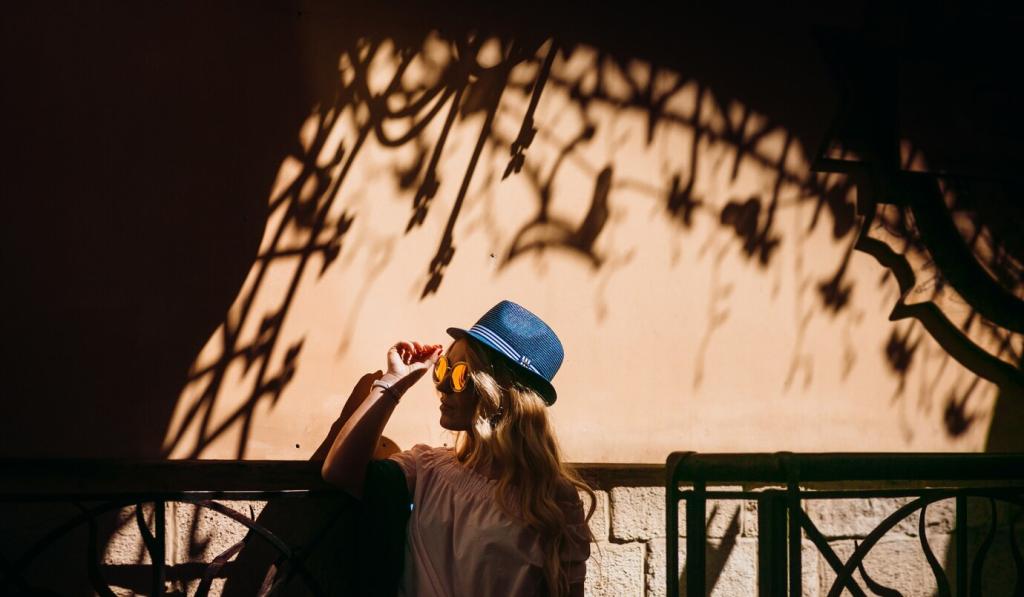
Find an interesting background—mural, doorway, patterned shadow. Choose an anchor and hold your composition, letting life provide variations. I once waited by a striped wall until a woman with matching socks walked by, transforming a simple frame into delight.
Working the Scene
Use windows, leaves, or railings as foreground elements to add depth and intimacy. Shooting through a café window on a winter morning, steam became a textured veil. It softened faces and turned ordinary conversation into something cinematic and tender.
Editing with a Gentle Hand
Crop to Clarify the Subject
Use cropping sparingly to remove distractions and strengthen your narrative. A tight crop around a laughing face in a bustling street market simplified chaos into connection. Ask yourself what the image is about, then leave everything else on the cutting room floor.
Tone and Contrast as Storytellers
Lift shadows to reveal a tender gesture, or deepen blacks to emphasize shape and silhouette. These choices guide emotion. Keep skin tones believable, highlights controlled, and let contrast serve the moment rather than shout over it.
Consistency Builds a Voice
Choose a subtle color palette or black-and-white approach and stick with it across a series. Consistency helps viewers recognize your work at a glance. Share your preferred look in the comments and subscribe for a future beginner-friendly preset walkthrough.